
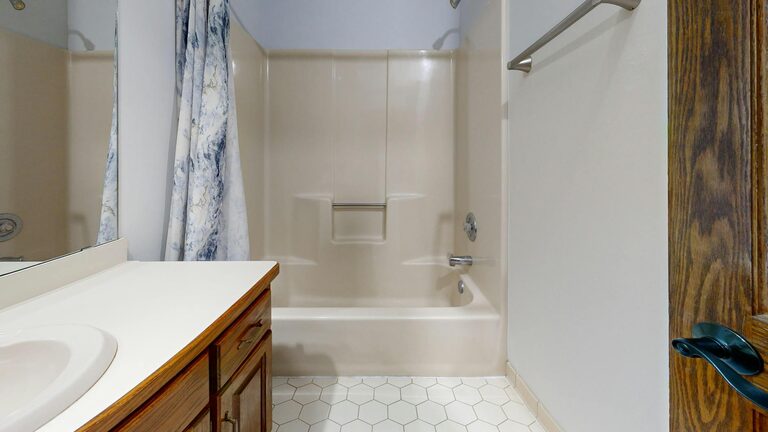
Creating a minimalist bathroom setup is a wonderful way to bring calm, clarity, and functionality into one of the most frequently used rooms in your home. Minimalism focuses on simplicity and intentional design, helping you reduce clutter and emphasize quality over quantity. Whether you have a small powder room or a large master bathroom, adopting a minimalist approach can transform the space into a serene retreat.
In this post, we’ll walk you through practical steps and ideas to create a minimalist bathroom that looks clean, feels inviting, and works perfectly for your lifestyle.
Why Choose a Minimalist Bathroom?
Before diving into design tips, it helps to understand the benefits of a minimalist bathroom:
– Easier maintenance: Fewer items and simpler surfaces mean cleaning becomes less time-consuming.
– Visual calmness: Clear counters and open spaces reduce visual stress.
– Improved functionality: Every item serves a purpose, making your daily routines more efficient.
– Timeless style: Minimalist bathrooms usually focus on neutral colors and classic finishes, keeping them stylish for years.
Step 1: Declutter and Assess Your Essentials
Begin by emptying your bathroom counters, cabinets, and drawers. Sort through your toiletries, towels, and other items:
– Keep only what you use regularly. Remove expired or duplicate products.
– Donate or recycle items you no longer need.
– Group similar items together to see how much storage space you require.
This step helps identify the true essentials, so you can plan storage and layout accordingly.
Step 2: Choose a Neutral Color Palette
Minimalist bathrooms typically feature soft, neutral colors that create a soothing atmosphere. Consider these options:
– Whites and off-whites: Crisp and clean, white walls or tiles reflect light beautifully.
– Soft grays or beige tones: Add warmth while maintaining simplicity.
– Natural hues: Shades inspired by stone, wood, or sand can add organic texture.
Using a cohesive color scheme keeps the space feeling unified and spacious.
Step 3: Opt for Functional, Simple Fixtures
When selecting fixtures such as sinks, faucets, toilets, and cabinetry, prioritize clean lines and functional designs:
– Wall-mounted sinks or vanities free up floor space and create an airy feel.
– Single-handle faucets offer sleek looks and ease of use.
– Recessed cabinets or floating shelves keep storage discreet.
– Minimal hardware: Choose knobs and handles with simple shapes or opt for handleless drawers.
Selecting fixtures with a minimalist design enhances the overall look without unnecessary ornamentation.
Step 4: Maximize Efficient Storage
Minimalism doesn’t mean removing storage altogether—it’s about thoughtful organization to reduce clutter:
– Built-in niches: Install recessed shelves in showers or near the vanity to keep items accessible but out of sight.
– Drawer dividers and organizers: Keep toiletries orderly.
– Closed cabinetry: Hide everyday items rather than displaying them.
– Use baskets or trays: Group similar items neatly on shelves or counters.
Good storage solutions allow you to maintain a clean, streamlined surface.
Step 5: Keep Decorations Simple and Intentional
Minimalist bathrooms work best when decoration is restrained. Instead of many decorative items, opt for a few meaningful pieces:
– One or two plants such as succulents or air plants add life without clutter.
– Simple artwork with muted tones or abstract designs can add personality.
– Textured elements like a woven bath mat or wooden bath tray add warmth.
– Neutral towels and shower curtains help maintain the calm color scheme.
Remember that less is more. Every décor item should have a purpose or enhance the space subtly.
Step 6: Use Quality Materials and Textures
Minimalism emphasizes quality over quantity, so investing in durable, beautiful materials pays off:
– Natural stone or porcelain tiles bring timeless elegance.
– Wood accents add warmth and softness.
– Matte finishes on faucets or hardware reduce reflections and visual noise.
– Soft textiles for towels and bathmats improve comfort and style.
The combination of textures can add depth while keeping the minimalist aesthetic intact.
Step 7: Optimize Lighting
Good lighting is essential in any bathroom and especially important for minimalism:
– Natural light is ideal, so avoid heavy window treatments.
– Recessed ceiling lights or sleek wall sconces maintain an uncluttered look.
– LED under-cabinet lighting brightens countertops without adding fixtures.
– Soft, adjustable lighting enhances moods and usability.
Well-planned lighting highlights the simplicity and cleanliness of your design.
Step 8: Maintain the Minimalist Mindset
Once your minimalist bathroom is complete, keeping it that way requires conscious habits:
– Put items away immediately after use.
– Regularly declutter and reorganize to avoid buildup.
– Limit new purchases for the bathroom to essentials.
– Clean surfaces frequently to keep the space fresh.
Minimalism is a lifestyle, not just a style, so consistent care helps preserve your serene bathroom environment.
—
Final Thoughts
Creating a minimalist bathroom setup is about creating a space that supports your daily routine with ease and elegance. By focusing on essential items, simple designs, calming colors, and thoughtful storage, you can enjoy a bathroom that feels spacious, peaceful, and functional.
Start small with one or two changes, and over time, build a bathroom that truly reflects minimalist beauty.
Happy renovating!
