
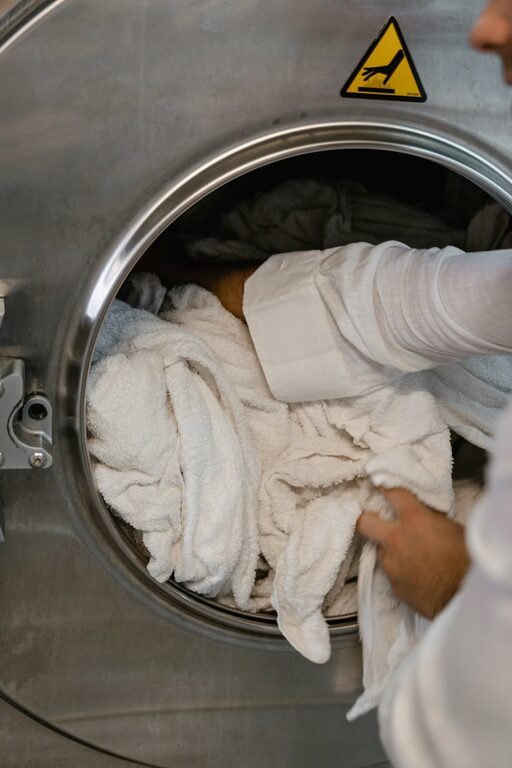
Caring for your clothes properly not only helps you save money but also benefits the environment by reducing waste. With the right techniques and habits, you can keep your garments looking their best for years to come. Here are some practical tips to extend the life of your clothes and maintain their quality.
1. Read and Follow Care Labels
Care labels are your garment’s instruction manual. They provide crucial information on the ideal washing temperature, drying methods, and ironing settings. Always check the label before washing or treating a new item. Ignoring these instructions can lead to shrinking, color fading, or damage.
2. Sort Laundry Properly
Sorting your laundry reduces color transfer and fabric damage:
– Separate by Color: Wash whites, darks, and colors separately.
– Sort by Fabric Type: Delicate fabrics like silk and lace should be washed separately from heavier fabrics like denim.
– Consider Washing Frequency: Some clothes, like towels and socks, need more frequent washing than jeans or sweaters.
3. Use the Right Detergent and Amount
Choosing the correct detergent matters. Use gentle detergents for delicate fabrics and specialized detergents for wool or silk. Avoid using too much detergent; excess soap can build up on fabric, making clothes feel stiff and causing irritation.
4. Wash Clothes in Cold Water
Washing clothes in cold water is gentler on fabrics and helps preserve their color. It also saves energy. Many detergents are formulated to work well in cold water, so switching to this method can benefit your wardrobe and the planet.
5. Turn Clothes Inside Out Before Washing
Turning clothes inside out minimizes friction on the fabric surface during washing. This simple step helps to protect prints, colors, and delicate fibers from fading or pilling.
6. Avoid Overloading the Washing Machine
Overloading your washing machine causes garments to rub aggressively against each other, leading to wear and tear. Give your clothes enough space to move freely for a gentler cleaning.
7. Air Dry When Possible
Overdrying clothes in a dryer can weaken fibers and cause shrinkage. Whenever possible, air dry your clothes by hanging them up or laying them flat. Avoid direct sunlight, as it can fade colors. For fast drying, gently shake out garments before hanging.
8. Use Dryer Settings Carefully
If you use a dryer, select low heat or air-dry settings. High heat can damage elastic fibers and cause wrinkles. Clean the lint filter regularly to maintain efficiency and avoid overheating.
9. Iron Clothes with Care
When ironing, always check the fabric type and use the appropriate temperature setting. Use a pressing cloth for delicate fabrics to protect them from direct heat. Steaming is a great alternative for removing wrinkles without touching the fabric.
10. Store Clothes Properly
Proper storage prevents damage and wrinkles:
– Use padded or wooden hangers for dresses and shirts.
– Fold sweaters and heavier garments to maintain shape.
– Keep clothes in a cool, dry place to prevent mold and mildew.
– Store seasonal garments in breathable fabric bags.
11. Repair Damages Promptly
Tiny holes, missing buttons, or loose threads are easier to fix when caught early. Sewing small tears or reinforcing weak areas prevents the damage from worsening.
12. Rotate Your Wardrobe
Wearing the same clothes repeatedly can cause faster wear. Rotate your wardrobe regularly to give each garment a break and extend its lifespan.
13. Avoid Excessive Washing
Not every wear requires washing, especially for items like jeans or outer layers. Overwashing can break down fabric fibers and fade colors. Spot clean when possible and air out clothes after wearing.
—
By adopting these simple habits, you’ll help your clothes look fresher longer and reduce unnecessary wear. Taking good care of your clothing is a small effort with big rewards for your style, wallet, and the environment. Happy caring!
